
Discovering Mahjong: A Timeless Game Enjoyed Worldwide
Mahjong, an enduring game embedded within the rich tapestry of Asian culture, has captivated players around the globe. The game's history, strategic depth, and recent innovations, such as the integration into online platforms like UBBet, have contributed significantly to its lasting appeal. This article delves into the origins, gameplay intricacies, and the modern evolution of Mahjong.TT777.com
The Fascinating Origins of Mahjong
Mahjong originated in China during the Qing dynasty, developing from various card games that were popular at the time. Its journey from an entertaining pastime for the elite to a widespread household name was swift, reflecting the deep cultural roots it holds in Chinese society. The game’s name, "Mahjong," translates to "sparrow," a nod to the sound of tiles being shuffled, reminiscent of the chattering of sparrows.
Initially played as a leisure activity by the upper echelons of society, Mahjong boasted beautifully crafted tiles often made of bone and bamboo. As the game's popularity soared, its reach extended beyond China’s borders to Japan, Korea, and eventually to the western world, where it underwent several adaptations.PV555
The Structure and Rules of Mahjong
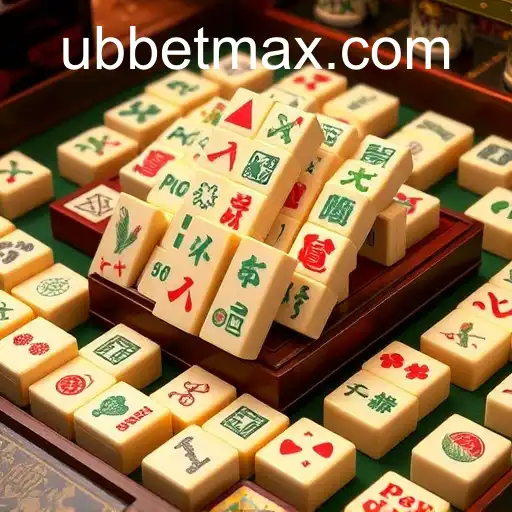
Understanding Mahjong begins with its structure. Played with 136 to 144 tiles, depending on the variant, the game engages four players who aim to create specific patterns. Tiles are divided into suits: Bamboos, Characters, and Dots, alongside honor tiles including Winds and Dragons.
The fundamental principle of Mahjong lies in constructing a complete hand, known as a "Mahjong" hand, composed of four sets and a pair. Sets may consist of a "Pong" (three identical tiles), a "Chow" (a sequence of three tiles of the same suit), or a "Kong" (four identical tiles). Winning a hand requires both skill in tile arrangement and strategic foresight in predicting opponents’ moves.
The Cultural Significance of Mahjong
Beyond mere recreation, Mahjong serves as a cultural touchstone, facilitating family unity and social bonding across generations. Its traditions carry significant weight during festivals, holidays, and familial gatherings, acting as a bridge connecting the present with cherished memories and time-honored customs.
939betIn many Asian societies, learning Mahjong is considered a rite of passage. It imparts lessons in patience, analytical thinking, and strategic planning, values esteemed in these cultures. Hence, Mahjong is not just a game but a cherished tradition passed down through generations.
Modern Innovations: The Online Evolution with UBBet
In recent years, technological advancements have ushered in a new era for Mahjong, catapulting it onto virtual platforms like UBBet. Online Mahjong allows enthusiasts worldwide to engage in this age-old game at their convenience, with stunning graphics and customizable settings enhancing the experience.ftf777
UBBet, for instance, offers a seamless digital transition for Mahjong players, featuring interactive interfaces that mimic the look and feel of traditional sets. With features that allow for multiplayer connectivity, UBBet ensures players can enjoy the social aspect of traditional Mahjong, irrespective of distance.
The online platform also opens up opportunities for new audiences. Younger generations who might not have experienced the tactile quality of traditional Mahjong can now appreciate its strategic depth in a format that resonates with their technological lifestyles.
Mahjong in the Competitive Arena
While traditionally a social game, Mahjong's competitive scene has gained momentum. Tournaments hosted both offline and online have sprung up, attracting skilled players eager to prove their prowess. By cultivating a competitive edge, Mahjong maintains its relevance amid a landscape rich with gaming alternatives.
Competitions typically adhere to the rules set by Mahjong leagues and organizations, ensuring consistency and fairness. The emergence of a global Mahjong network has further standardized competitive play, enabling a diverse range of participants from different cultural backgrounds to compete on equal footing.
The Role of Mahjong in Social Connectivity
Whether played around a physical table or a virtual one on platforms like UBBet, Mahjong serves as an invaluable tool for social connectivity. Its ability to transcend language barriers and cultural differences unites individuals through the universal language of gameplay.
In scenarios where face-to-face interaction prevails, Mahjong fosters camaraderie and reinforces community ties. Online, it provides a shared forum for global interaction, proving that traditional games can find harmony within modern technological landscapes.
Conclusion
OKPMahjong’s enduring legacy, enriched by a history as captivating as its gameplay, underscores its place as a global cultural icon. The seamless transition into the digital realm through platforms like UBBet signifies not just survival but an evolution that meets the demands of contemporary lifestyles. As Mahjong continues to evolve, its balance between tradition and innovation ensures its perseverance as a beloved pastime for generations to come.